

I have been extremely impressed with the actions and ideas brought forward by the Nambour Student Leadership Team (SLT).
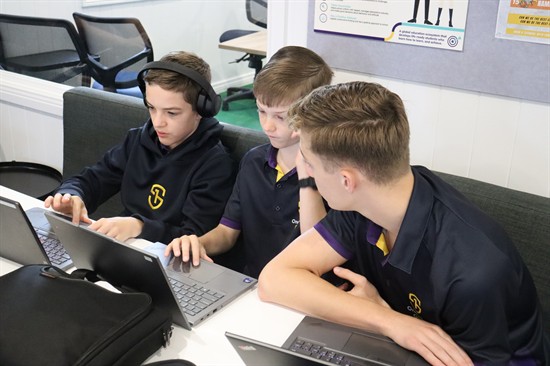
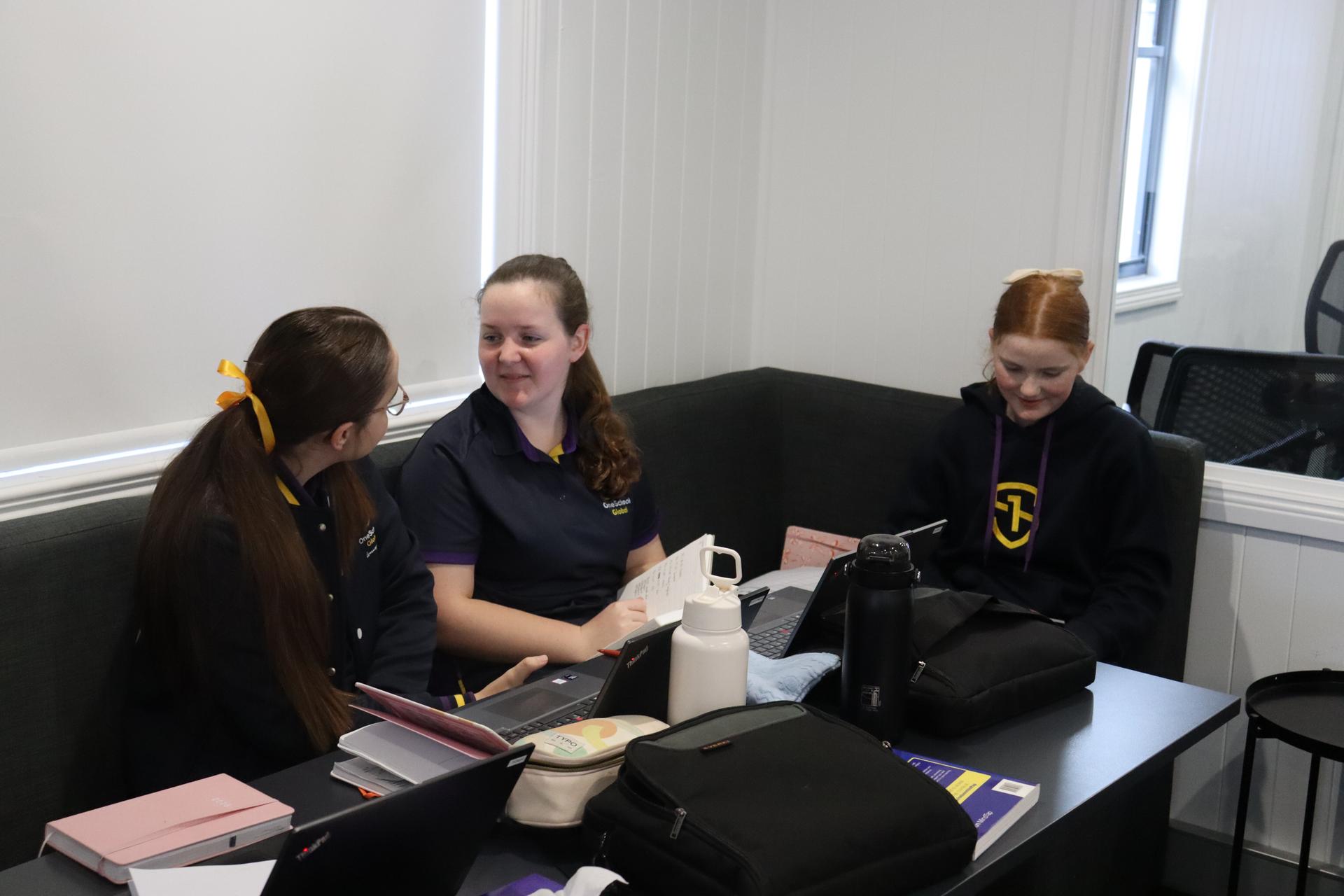
During homeroom in the Secondary Learning Centre, the SLT has initiated a mentoring program called StudyLink. Through this program, senior students in Years 10, 11 and 12 engage in purposeful conversations with younger secondary students in Years 7, 8 and 9. These discussions focus on weekly study planning and reflection — what worked well and what did not go as planned. The conversations I have observed are genuine, thoughtful, and full of guidance and support, highlighting the positive influence our senior students have as mentors.
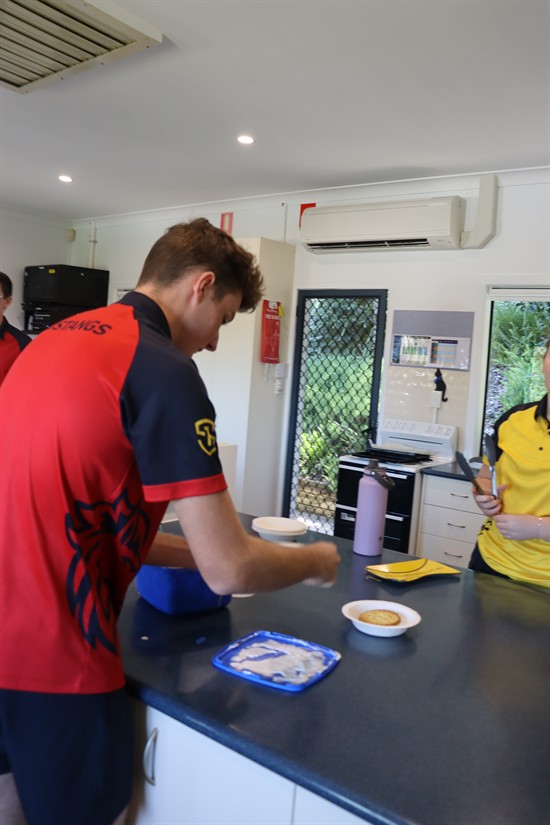
Last week, the SLT also ran Pi Day, a mathematics-themed celebration connected to the irrational number π (pi). And what better way to celebrate than with apple pies! The pies were delicious, and it was wonderful to see that the requirement to receive your pie was to recite the value of pi to a number of decimal places equal to your year level. (Our Year 12 students were far too busy serving to have to remember 3.14159265358!) If students were unable to recite pi correctly, they were sent to the end of the line to do a little more study. It was a fun and engaging way to celebrate mathematics.
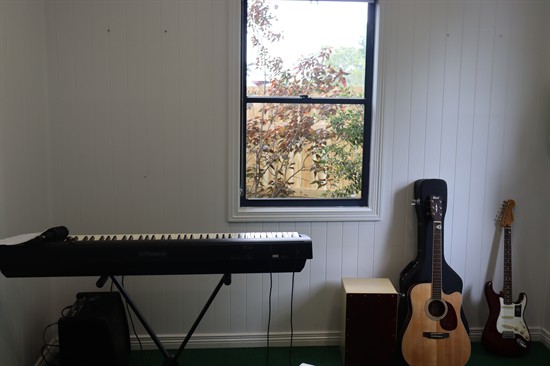
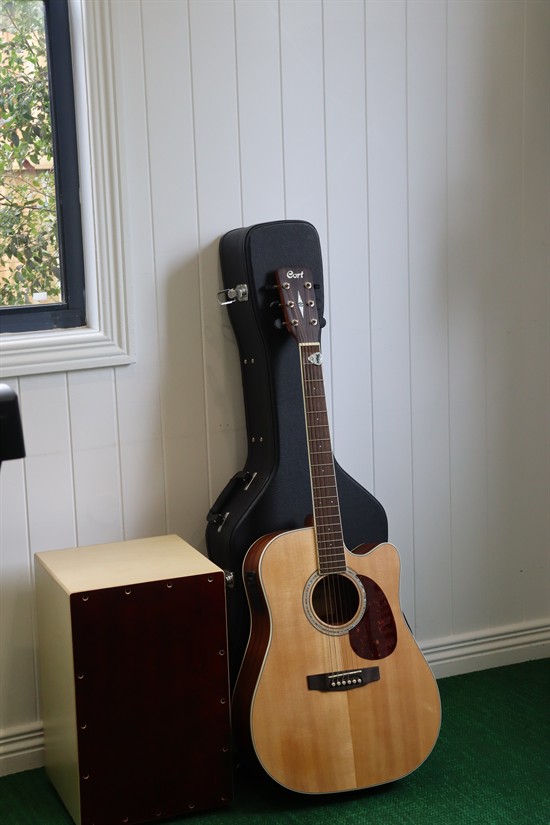
The SLT has also been busy organising lunchtime games, coordinating incursions, and establishing a music room. We are incredibly fortunate to have such responsible, proactive, and dedicated student leaders within our campus.
This week, we also completed the NAPLAN examinations. Congratulations to all students for the way they conducted themselves throughout the testing period — their focus and maturity were commendable.
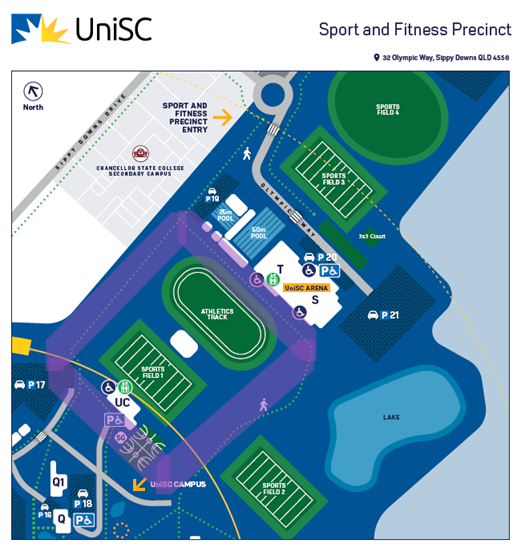
Looking ahead to Week 9, the Primary Athletics Carnival will be held on Tuesday at the University of the Sunshine Coast (Secondary Athletics carnival is in week 10). This will be a wonderful opportunity for our mighty Nambour athletes to compete against other Queensland campuses. On Wednesday, we will welcome Mr Paul Maher and Mr Tom Percasky, who will be spending the day on the Nambour campus. I strongly encourage parents to take the opportunity to attend the parent session and engage in discussions around areas of strength and opportunities for future development.
Importantly, parent–teacher interviews will be held next week on Wednesday afternoon and Thursday. I have spoken to students about the importance of having a voice in these discussions. Our aim is to move away from interviews being solely a conversation between parent and teacher, and instead work towards student-led interviews, where students guide the discussion and reflect on their strengths and areas for growth. There is great power in students actively thinking about their learning journey rather than passively listening. Parents will likely come away from the interviews looking for ways to best support their child and strengthen the partnership between school and home. I would like to provide these recommendations to help support your child’s learning;
Ideas to help support your child’s learning
Stay Curious About Learning (Not Just Marks)
Ask your child questions about their assignments and learning, such as:
“What are you learning about in Science at the moment?”
“What part of this task did you find tricky?”
Primary and Secondary parents are ‘observers’ of their child’s Canvas courses.
This allows you to:
- See upcoming tasks and learning content
- Monitor feedback and submissions
- Have informed conversations without needing to be the “teacher” at home
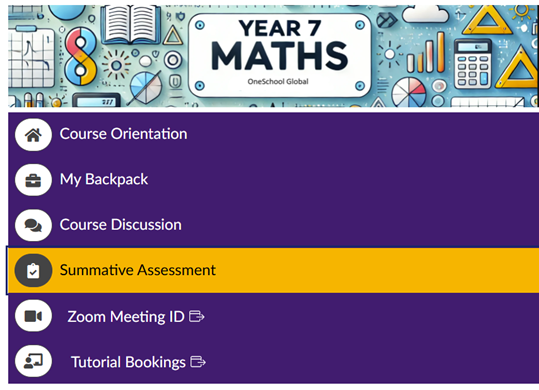
Make Assessment Dates Visible at Home
Display an assessment planner in a shared space (fridge, noticeboard, above a desk).
A visual reminder helps students:
- Manage time and avoid last‑minute stress
- Learn planning and organisation skills
- Assessment dates can be found on the “Summative Assessments” tab in each Canvas course.
Encourage Use of Tutorials and Teacher Support
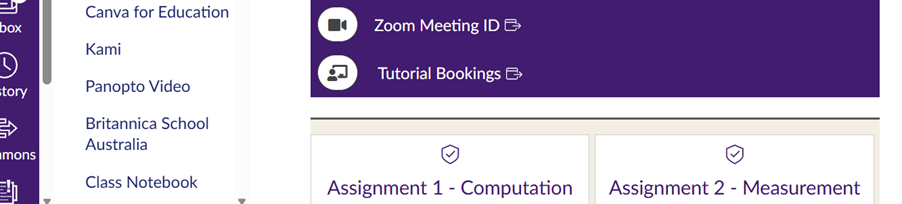
Prompt your child to book tutorials with their teacher when extra help is needed.
Helpful prompts include:
“You have an English task due next week—have you booked a tutorial to go over your draft?”
“Would a maths tutorial help you with quadratic equations?”
This builds independence and teaches students to seek support proactively.
Have Regular Check‑In Conversations
Have short, low‑pressure conversations about learning, for example:
“What’s one thing you’re proud of this week?”
“What’s one thing you’re still working on?”
“What’s coming up next in your learning?”
These conversations help students:
- Reflect on progress
- Build confidence in talking about learning
- Develop self‑awareness and goal‑setting skills
Support Healthy Learning Routines
Encourage consistent routines for:
- Sleep
- Homework or revision time
- Screen breaks and physical activity
- A calm, predictable routine supports focus, wellbeing, and engagement—especially in a digital learning environment.
Encourage Organisation and Independence
Help your child:
- Set up folders (digital or physical)
- Break large tasks into smaller steps
- Use checklists or reminders
- Rather than solving problems for them, ask:
“What’s your plan for starting this task?”
“What do you need to do first?”
Celebrate Effort, Not Just Outcomes
Acknowledge:
- Persistence
- Improvement
- Willingness to ask for help
This reinforces a growth mindset and helps students see learning as a process.
Stay Connected with the School
- Read campus communications and Canvas announcements.
- Reach out to teachers or Learning Support when needed—early communication is always encouraged.
Remember: home and school working together makes a significant difference.

Monitor IXL Progress Against MAP Goals
Explore your child’s IXL progress to see how they are tracking toward their MAP goals for numeracy and literacy.
Reviewing IXL results together can help you:
- Identify strengths and areas for improvement
- Understand what skills your child is currently working on
- Encourage goal‑setting and celebrate growth over time
Simple prompts might include:
“I can see you’ve mastered several skills this week—what helped you improve?”
“Which area are you focusing on next to reach your MAP goal?”